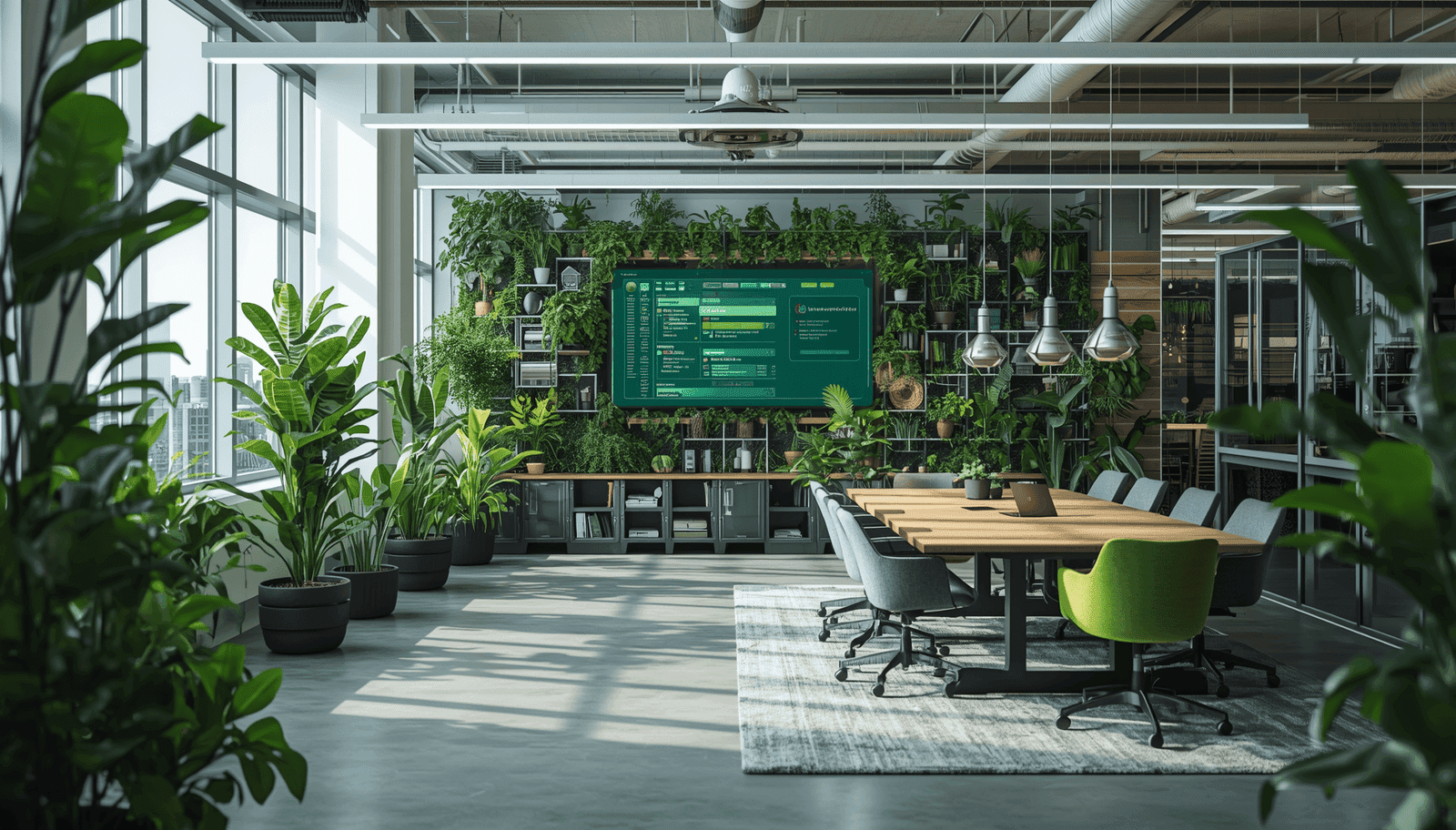
Sustainable Practices Every Tech Startup Should Adopt in 2026
Sustainability is no longer just a corporate buzzword. In 2026, it has become a major business priority for startups, investors, customers, and governments around the world.
Modern consumers increasingly prefer brands that care about environmental impact, ethical operations, and long-term responsibility. Investors are also paying closer attention to sustainable business models, especially in technology and SaaS industries. Recent industry reports show that sustainability is rapidly becoming a competitive advantage instead of just a compliance requirement.
For tech startups, sustainability goes beyond reducing paper waste or planting trees.
It now includes:
- Energy-efficient software
- Sustainable cloud infrastructure
- Remote work optimization
- Ethical AI usage
- Reducing electronic waste
- Responsible scaling
- Carbon-aware operations
The good news is that sustainable practices are no longer expensive “extra features” only large companies can afford. Many sustainable improvements actually reduce costs, improve efficiency, and strengthen brand reputation.
This guide explores practical sustainability strategies every tech startup should adopt in 2026 to build smarter, more responsible businesses.
Why This Matters
Technology companies have a larger environmental impact than many founders realize.
Modern startups rely heavily on:
- Cloud computing
- AI systems
- Data centers
- Continuous deployments
- Remote infrastructure
- Global digital services
As applications become more compute-intensive, especially with AI-powered systems, energy usage continues increasing rapidly. Recent SaaS industry analysis shows that sustainability is becoming a core operational metric alongside cost optimization and performance.
This matters because startups today face growing pressure from:
- Customers
- Investors
- Regulators
- Employees
- Partners
People increasingly want to work with businesses that operate responsibly.
Sustainable startups often benefit from:
- Lower infrastructure costs
- Stronger brand trust
- Better investor interest
- Improved hiring opportunities
- Higher customer loyalty
- Long-term operational efficiency
According to recent sustainability startup reports, green technology and climate-focused innovation are becoming major investment areas globally.
The reality is simple:
Sustainability is no longer optional for modern tech companies.
It is becoming part of smart business strategy.
Sustainable Practices Tech Startups Should Prioritize
1. Build Energy-Efficient Software
Most founders focus on software features and speed, but fewer think about software efficiency.
Poorly optimized applications consume:
- More server resources
- More electricity
- More cloud infrastructure
- More computing power
This increases both costs and environmental impact.
Green software engineering is becoming one of the fastest-growing areas in modern software development.
What Is Green Software Engineering?
Green software engineering focuses on creating applications that:
- Use fewer resources
- Consume less energy
- Reduce carbon emissions
- Optimize hardware usage
Examples include:
- Efficient database queries
- Reducing unnecessary API calls
- Optimizing frontend performance
- Compressing assets properly
- Reducing server load
Efficient software is not only greener — it is also cheaper and faster.
2. Choose Sustainable Cloud Infrastructure
Cloud computing powers most startups today.
But cloud infrastructure also consumes massive amounts of energy globally.
Modern startups should evaluate:
- Green hosting providers
- Renewable-powered cloud services
- Efficient infrastructure scaling
- Carbon-aware cloud regions
Recent reports show that cloud providers are increasingly offering tools to measure and reduce infrastructure emissions.
Practical Startup Actions
- Shut down unused servers
- Optimize storage usage
- Use serverless architecture when appropriate
- Reduce unnecessary data processing
- Monitor infrastructure waste
Smarter infrastructure management lowers both environmental impact and operational costs.
3. Reduce AI Resource Waste
AI adoption is growing rapidly among startups.
But AI systems can consume significant computing resources, especially during:
- Model training
- Large-scale inference
- Data processing
Recent research highlights the growing importance of environmentally sustainable AI practices.
Sustainable AI Practices
Startups should:
- Use smaller efficient models when possible
- Avoid unnecessary retraining
- Optimize AI workflows
- Monitor AI energy usage
- Reduce excessive compute usage
Not every business problem requires massive AI models.
Efficient AI systems are often more practical and cost-effective for startups.
4. Encourage Remote & Hybrid Work
Remote work can significantly reduce environmental impact.
Benefits include:
- Reduced commuting emissions
- Lower office energy usage
- Reduced transportation costs
- Smaller office footprints
Many remote-first tech companies are integrating sustainability goals directly into operational planning.
Sustainable Remote Work Tips
- Use async communication
- Reduce unnecessary travel
- Optimize virtual collaboration
- Encourage digital documentation
- Use energy-efficient home office setups
Remote work also helps startups reduce operational expenses while improving flexibility.
5. Minimize Electronic Waste
The tech industry produces massive amounts of electronic waste annually.
Startups often replace:
- Laptops
- Phones
- Monitors
- Hardware devices
…more frequently than necessary.
Sustainable Hardware Practices
Startups should:
- Extend device lifecycles
- Repair devices when possible
- Buy refurbished equipment
- Recycle responsibly
- Donate usable hardware
Circular technology practices are becoming increasingly important in modern sustainability strategies.
Reducing e-waste is both environmentally responsible and financially smart.
6. Design Sustainable Business Operations
Sustainability should not be treated as a side project.
It should become part of:
- Product development
- Hiring
- Infrastructure
- Marketing
- Vendor selection
- Company culture
Recent sustainability-focused business reports emphasize that sustainability is increasingly becoming a core business strategy instead of a compliance checklist.
Examples
Startups can:
- Choose eco-friendly vendors
- Reduce unnecessary travel
- Use digital contracts
- Support sustainable supply chains
- Track operational emissions
Small operational improvements create meaningful long-term impact.
7. Build Transparent Sustainability Policies
Customers and investors increasingly value transparency.
Even early-stage startups benefit from openly communicating:
- Sustainability goals
- Environmental practices
- Operational improvements
- Ethical policies
Transparency builds trust.
But startups should avoid “greenwashing,” where companies exaggerate sustainability claims without meaningful action.
Authenticity matters more than perfect branding.
Step-by-Step Tips
Step 1: Start Measuring Your Impact
You cannot improve what you do not measure.
Track:
- Cloud infrastructure usage
- Energy consumption
- Business travel
- Device replacement frequency
- Data storage growth
Even simple tracking helps startups identify unnecessary waste.
Step 2: Optimize Before Scaling
Many startups overbuild infrastructure early.
Before scaling:
- Remove unused services
- Optimize workloads
- Simplify architecture
- Reduce technical waste
Efficient scaling creates both financial and environmental benefits.
Step 3: Build Sustainability Into Company Culture
Sustainability works best when it becomes part of company mindset.
Encourage:
- Responsible resource usage
- Efficient workflows
- Sustainable decision-making
- Long-term thinking
Culture matters more than isolated initiatives.
Step 4: Educate Your Team
Many developers and startup teams do not fully understand the environmental impact of software systems.
Teach teams about:
- Green software engineering
- Cloud optimization
- Efficient development practices
- Sustainable AI usage
Awareness leads to better technical decisions.
Step 5: Prioritize Practical Changes First
Startups do not need massive sustainability budgets immediately.
Begin with:
- Optimizing infrastructure
- Reducing waste
- Extending hardware lifespan
- Improving efficiency
Small practical improvements create momentum.
Common Mistakes
Treating Sustainability as Marketing Only
Some startups focus more on sustainability branding than real action.
Customers increasingly recognize performative sustainability.
Real operational improvements matter more than slogans.
Overcomplicating Sustainability
Founders sometimes believe sustainability requires expensive systems or complex reporting.
In reality, many impactful changes are simple:
- Efficient software
- Smaller infrastructure
- Reduced waste
- Smarter operations
Start simple and improve gradually.
Ignoring Software Efficiency
Many startups optimize marketing and operations but ignore inefficient code and infrastructure.
Software efficiency directly affects:
- Costs
- Performance
- Energy consumption
Green software practices are becoming increasingly important in modern SaaS and AI systems.
Replacing Hardware Too Frequently
Constantly upgrading devices increases:
- Costs
- E-waste
- Resource consumption
Use hardware responsibly whenever possible.
Building AI Systems Without Efficiency Planning
AI workloads can become extremely expensive and resource-heavy.
Founders should prioritize:
- Efficient architectures
- Smaller models
- Practical use cases
- Compute optimization
Sustainable AI is becoming a major industry discussion in 2026.
Tools & Resources
Here are useful sustainability-related tools and resources startups can explore.
Green Software & Cloud Optimization
- Green Software Foundation
- Cloud Carbon Footprint
- WattTime
- Electricity Maps
Sustainability Tracking
- Notion
- Planetly
- Normative
- Watershed
Remote Collaboration
- Slack
- Notion
- Loom
- Google Workspace
Infrastructure Monitoring
- Datadog
- Grafana
- New Relic
Learning Resources
- Green Software Foundation courses
- Coursera sustainability programs
- Climate tech startup communities
The best sustainability strategy is the one your startup can realistically maintain and improve over time.
Final Thoughts
Sustainability is becoming one of the most important long-term trends in the technology industry.
In 2026, startups are increasingly expected to think beyond rapid growth and consider:
- Environmental impact
- Resource efficiency
- Ethical technology practices
- Sustainable operations
Industry experts now describe sustainability as becoming part of the “core stack” of modern technology businesses.
The good news is that sustainability and business growth are no longer opposites.
Efficient systems often create:
- Lower costs
- Better performance
- Stronger trust
- Long-term resilience
The startups that succeed in the future will likely be the ones that:
- Build responsibly
- Optimize intelligently
- Reduce waste
- Think long term
Sustainability is no longer just about protecting the planet.
It is also about building smarter businesses.
Need a website or tech support? Visit my portfolio and contact me:https://sanzaythapa.com.np/